Friday, June 14, 2024

How To Live Sustainably — Home edition


Embracing sustainable living at home is a pivotal step in minimizing your carbon footprint and contributing to a healthier environment. Here are actionable tips to seamlessly integrate sustainability into your daily routine: plastic recycling, Dubai

Reduce, Reuse, Recycle:

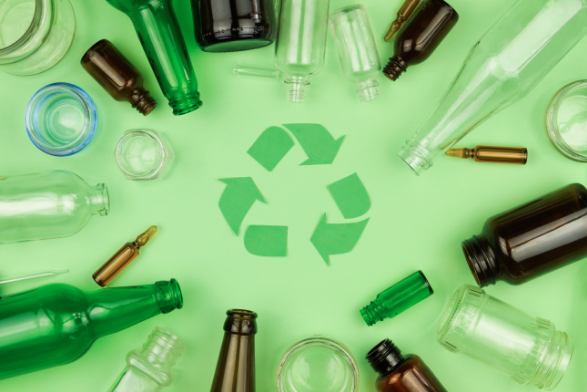
Embrace the mantra of reducing waste by minimizing single-use plastics, repurposing containers, and ensuring proper recycling practices. Upcycling adds an innovative touch, further reducing the burden on landfills.

Conserve Energy:

Foster energy efficiency by turning off lights and electronics when not in use. Opt for energy-efficient bulbs and appliances to curtail energy consumption. For a sustainable energy source, contemplate the installation of solar panels to generate renewable energy at home.

Water Conservation:

Treat water as the precious resource it is by fixing any leaks in your home. Employ low-flow showerheads and faucets to optimize water usage. Consider collecting rainwater and repurposing water from rinsing fruits and vegetables to nourish your plants, effectively conserving water and reducing your water bill.

Grow Your Own Food:

Cultivate sustainability in your backyard or balcony by growing your own herbs, fruits, and vegetables. Not only does this practice reduce your carbon footprint by diminishing the need fortransportation, but it also provides you with fresh, homegrown produce.

Use Sustainable Products:

Make conscious choices by opting for eco-friendly products crafted from sustainable materials like bamboo, hemp, and recycled plastic. Not only are these products durable, but they also contribute to minimizing environmental impact.

By adopting these practices, you’re not just making small changes at home; you’re actively participating in a sustainable lifestyle. Join the movement toward eco-conscious living and play your part in preserving our planet for future generations.

Get More Info : Shoes recycling uae

Website : https://yesfullcircle.com/

Contact Us : Recycling Zero Waste Solutions

Get More Details about this website : Waste Management in UAE , Pharmaceutical waste recycling in UAE, Brand Protection in Dubai

Thursday, June 13, 2024

How To Achieve Carbon Net Zero By 2030 | Waste Management & Recycling Company in Dubai

 Achieving carbon net zero by 2030 is a monumental task, but it is absolutely necessary if we want to avoid the worst impacts of climate change. To achieve this goal, we need a multipronged approach that encompasses every sector of society.

Firstly, we need to drastically reduce our reliance on fossil fuels. This means investing heavily in renewable energy sources like wind, solar, and geothermal. We can also promote energy efficiency by retrofitting buildings with insulation and efficient heating and cooling systems.

Secondly, we need to change the way we produce and consume goods. This means transitioning to a circular economy where we reuse and recycle materials instead of constantly extracting new resources. We can also reduce the carbon footprint of our food system by promoting plant-based diets and reducing food waste.

Thirdly, we need to invest in carbon capture and storage technologies. This will allow us to capture carbon emissions from industrial processes and store them underground, reducing the amount of CO2 that is released into the atmosphere.

Finally, we need to work together as a global community to address climate change. This means setting ambitious emissions targets and providing financial and technological support to countries that are most vulnerable to the impacts of climate change.

Achieving carbon net zero by 2030 will not be easy, but it is possible if we act now and work together. By taking bold action, we can create a sustainable future for ourselves and for generations to come.

Get More Info : Pharmaceutical waste recycling in UAE

Website : https://yesfullcircle.com/

Contact Us : Waste Management services in dubai

The Environmental Costs of Fast Fashion | Waste Management in UAE

New season, new styles, buy more, buy cheap, move on, throw away: the pollution, waste, and emissions of fast fashion are fueling the triple planetary crisis.The annual Black Friday sales on 25 November are a reminder of the need to rethink what is bought, what is thrown away, and what it costs the planet.

Sustainable fashion and circularity in the textiles value chain are possible, yet this century the world’s consumers are buying more clothes and wearing them for less time than ever before, discarding garments as fast as trends shift.

The United Nations Environment Programme (UNEP) is spearheading an initiative towards a zero waste world. As part of this ambitious outlook, UNEP has partnered with Kenyan spoken word poet Beatrice Kariuki to shed light on high-impact sectors where consumers can make a real difference.

“We need circular industries where old looks are made new,” Kariuki says in the video. “Less packaging, more reuse. Threads that last.”

The Ellen Macarthur Foundation, a UNEP partner, has estimated that a truckload of abandoned textiles is dumped in landfill or incinerated every second. Meanwhile, it is estimated that people are buying 60 per cent more clothes and wearing them for half as long.

Plastic fibres are polluting the oceans, the wastewater, toxic dyes, and the exploitation of underpaid workers. Fast fashion is big business, and while the environmental costs are rising, experts say there is another way: a circular economy for textiles.

At this month’s UN Climate Conference (COP27) in Egypt, UNEP and the non-profit Global Fashion Agenda (GFA) held an event on ‘Circular Systems for a Net Positive Fashion Industry’, which drew industry leaders to discuss routes towards a circular economy for the industry, with less waste, less pollution, more reuse, and more recycling.

Now, UNEP and GFA are spearheading a consultation across the fashion industry to define a path towards becoming net-positive — meaning an industry that gives back more to the world than it takes out. UNEP is also producing a roadmap towards sustainability and circularity in the textile value chain and working on shifting the narrative of the sector, looking at the role of consumption with a guideline to sustainable fashion communication.

Get More Info : Pharmaceutical waste recycling in UAE

Website : https://yesfullcircle.com/

Contact Us : Waste Management services in dubai


Monday, June 10, 2024

Lifecycle of paper recycling — how is it recycled

 Paper products are around us everyday and we may not think about what happens to it after it is tossed in the recycling bin.

Many of us start our days with paper — from reading the newspaper to the packaging of our favorite breakfast cereal to the milk carton we use along with it. If some of that milk spills, you can clean it right up with a paper towel.

The Upsides of Paper Recycling

In Abu Dhabi alone, 11.2 million tonnes of waste was produced by the emirate in 2019. This large amount of waste is due to a number of reasons, such as population growth, economic activities, and consumer shopping habits.

The environmental benefits of paper recycling cannot be understated. According to the Emirates Publishers Association (EPA), recycling just one ton of paper can save 380 gallons of oil, 7000 gallons of water, and enough energy to power the average home for up to six months.

Paper recycling also conserves our natural resources. Recycling one ton of paper can save 17 trees from being torn down. Paper recycling has excellent benefits for businesses as well. Diverting paper from the landfill can dramatically reduce business waste costs, especially if the business churns a lot of paper products. Companies with recycling initiatives can often receive tax credits and will have a better shot at engaging with eco-conscious consumers who only want to do business with sustainable organizations.

Get More Info : clothes recycling in UAE

Website : https://yesfullcircle.com/

Contact Us : circular economy solutions

Thursday, June 6, 2024

Shocking Ocean Plastic Statistics: A Threat to Marine life, Ocean & Humanity

The ocean is said to be Earth’s life support, with 97% of the world’s water held by the oceans. We rely on it to regulate our climate, absorb CO2 and oceans are the number one source of protein for over a billion people.

However, at the rate we are polluting the oceans, the damage we are doing to the marine life and ecosystem is becoming irreparable. It is estimated that 12.7 million tonnes of plastic ends up in oceans annually. Our actions over the 10 years will determine the state of the ocean for the next 10,000 years to come. (Source: condorferries.co.uk)

Here are some staggering plastic pollution on our ocean statitstics:

  • The world produces 381 million tonnes of plastic waste yearly – this is set to double by 2034. 50% of this is single-use plastic & only 9% has ever been recycled.
  • More than 1 million plastic bags end up in the trash every minute.
  • 1 in 3 fish caught for human consumption contains plastic.
  • More than 1 million seabirds and 100,000 marine animals die from plastic pollution every year.
  • There is now 5.25 trillion macro and micro pieces of plastic in our ocean & 46,000 pieces in every square mile of ocean, weighing up to 269,000 tonnes.
  • The Great Pacific Garbage Patch is around 1.6 million square kilometers – bigger than Texas.

Get More Info : clothes recycling in UAE

Website :  https://yesfullcircle.com/

Contact Us : circular economy solutions

How is e-waste recycled? | waste management company in dubai, UAE


E-waste Recycling

E-waste has become the fastest-growing waste stream in the world as the availability and usage of electronics increases across the globe. Globally, more than 50 million metric tons of e-waste is generated every year.

What is E-waste?

E-waste refers to any electronic devices that have reached the end of life. Think about your daily electronics you cannot live without – smartphones, tablets and laptops. Recycling e-waste allows for the recovery of materials such as gold, copper, glass, aluminium, lithium, plastic, and more.

How is e-waste recycled?

It can be recycled using a variety of methods depending on the type of electronic device and the materials it contains. Here are some common methods for e-waste recycling:

1. Dismantling and sorting: E-waste is first dismantled by hand or machines, and then sorted into different types of materials such as plastic, glass, metal, and circuit boards.

2. Shredding and grinding: The sorted materials are then shredded or ground into smaller pieces to make them easier to process.

3. Magnetic separation: Magnets are used to separate ferrous materials such as iron and steel from non-ferrous materials such as aluminium and copper.

4. Chemical treatment: Chemicals are used to dissolve and separate metals from other materials in the e-waste.

5. Pyrometallurgical processing: This involves melting down the e-waste to recover metals such as gold, silver, and copper.

6. Hydrometallurgical processing: This involves using a chemical solution to dissolve metals from e-waste.

After the recycling process, the recovered materials can be used to make new electronic devices or other products. Proper e-waste recycling helps to reduce the environmental impact of electronic waste and conserve natural resources.

YES Full Circle is a full-service environmental service company, offering innovative and sustainable solutions. We offer secure destruction, treatment and recycling of e-waste, metal, cartridges, plastic, papers and specialized waste.

Get More Info : clothes recycling in UAE

Website :  https://yesfullcircle.com/

Contact Us : circular economy solutions

Tuesday, June 4, 2024

Shocking Ocean Plastic Statistics: A Threat to Marine life, Ocean & Humanity

The ocean is said to be Earth’s life support, with 97% of the world’s water held by the oceans. We rely on it to regulate our climate, absorb CO2 and oceans are the number one source of protein for over a billion people. However, at the rate we are polluting the oceans, the damage we are doing to the marine life and ecosystem is becoming irreparable. It is estimated that 12.7 million tons of plastic ends up in oceans annually. Our actions over the 10 years will determine the state of the ocean for the next 10,000 years to come. Here are some staggering plastic pollution on our ocean statistics: The world produces 381 million tonnes of plastic waste yearly – this is set to double by 2034. 50% of this is single-use plastic & only 9% has ever been recycled. More than 1 million plastic bags end up in the trash every minute. 1 in 3 fish caught for human consumption contains plastic. More than 1 million seabirds and 100,000 marine animals die from plastic pollution every year. There is now 5.25 trillion macro and micro pieces of plastic in our ocean & 46,000 pieces in every square mile of ocean, weighing up to 269,000 tonnes. The Great Pacific Garbage Patch is around 1.6 million square kilometers – bigger than Texas. Read More : https://yesfullcircle.com/2023/11/22/shocking-ocean-plastic-statistics-a-threat-to-marine-life-ocean-humanity/

GLASS – Possible to recycle Infinitely| Innovative Circular Economy Solutions in Dubai

  Glass is a non-crystalline, often transparent, amorphous solid that has widespread practical, technological, and decorative application. G...