Showing posts with label laptop recycling. Show all posts

Wednesday, May 22, 2024

Shocking Ocean Plastic Statistics: A Threat to Marine life, Ocean & Humanity

 The ocean is said to be Earth’s life support, with 97% of the world’s water held by the oceans. We rely on it to regulate our climate, absorb CO2 and oceans are the number one source of protein for over a billion people.

However, at the rate we are polluting the oceans, the damage we are doing to the marine life and ecosystem is becoming irreparable. It is estimated that 12.7 million tonnes of plastic ends up in oceans annually. Our actions over the 10 years will determine the state of the ocean for the next 10,000 years to come.

Here are some staggering plastic pollution on our ocean statitstics:

  • The world produces 381 million tonnes of plastic waste yearly — this is set to double by 2034. 50% of this is single-use plastic & only 9% has ever been recycled.
  • More than 1 million plastic bags end up in the trash every minute.
  • 1 in 3 fish caught for human consumption contains plastic.
  • More than 1 million seabirds and 100,000 marine animals die from plastic pollution every year.
  • There is now 5.25 trillion macro and micro pieces of plastic in our ocean & 46,000 pieces in every square mile of ocean, weighing up to 269,000 tonnes.
  • The Great Pacific Garbage Patch is around 1.6 million square kilometers.

Read more : Recycling Services in Dubai

Visit Us : Recycling Companies in Dubai

Monday, May 13, 2024

Shocking Ocean Plastic Statistics: A Threat to Marine life, Ocean & Humanity

 The ocean is said to be Earth’s life support, with 97% of the world’s water held by the oceans. We rely on it to regulate our climate, absorb CO2 and oceans are the number one source of protein for over a billion people.

However, at the rate we are polluting the oceans, the damage we are doing to the marine life and ecosystem is becoming irreparable. It is estimated that 12.7 million tonnes of plastic ends up in oceans annually. Our actions over the 10 years will determine the state of the ocean for the next 10,000 years to come.

Here are some staggering plastic pollution on our ocean statitstics:

  • The world produces 381 million tonnes of plastic waste yearly — this is set to double by 2034. 50% of this is single-use plastic & only 9% has ever been recycled.
  • More than 1 million plastic bags end up in the trash every minute.
  • 1 in 3 fish caught for human consumption contains plastic.
  • More than 1 million seabirds and 100,000 marine animals die from plastic pollution every year.
  • There is now 5.25 trillion macro and micro pieces of plastic in our ocean & 46,000 pieces in every square mile of ocean, weighing up to 269,000 tonnes.
  • The Great Pacific Garbage Patch is around 1.6 million square kilometers — bigger than Texas.

Read More : Recycling Services in Dubai

Visit us : Recycling Companies in Dubai

Contact Us : Carton recycling Dubai

The Environmental Costs of Fast Fashion| Waste management company in dubai| Recycling Services in Dubai

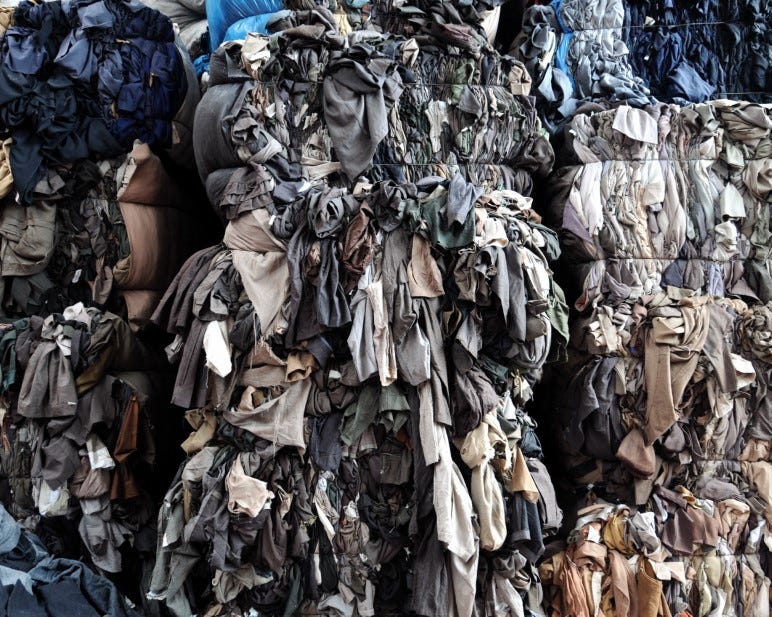
 New season, new styles, buy more, buy cheap, move on, throw away: the pollution, waste, and emissions of fast fashion are fueling the triple planetary crisis.

The annual Black Friday sales on 25 November are a reminder of the need to rethink what is bought, what is thrown away, and what it costs the planet. Sustainable fashion and circularity in the textiles value chain are possible, yet this century the world’s consumers are buying more clothes and wearing them for less time than ever before, discarding garments as fast as trends shift.

The United Nations Environment Programme (UNEP) is spearheading an initiative towards zero-waste; the only solution to the current situation.

Read More : Recycling Services in Dubai

Visit us : Recycling Companies in Dubai

Contact Us : Carton recycling Dubai

Wednesday, April 17, 2024

The Environmental Costs of Fast Fashion


New season, new styles, buy more, buy cheap, move on, throw away: the pollution, waste, and emissions of fast fashion are fueling the triple planetary crisis.

The annual Black Friday sales on 25 November are a reminder of the need to rethink what is bought, what is thrown away, and what it costs the planet. Sustainable fashion and circularity in the textiles value chain are possible, yet this century the world’s consumers are buying more clothes and wearing them for less time than ever before, discarding garments as fast as trends shift.

The United Nations Environment Programme (UNEP) is spearheading an initiative towards zero-waste; the only solution to the current situation.

Get More Info : Waste Management in UAE | dubai municipality approved

Visit Us : https://yesfullcircle.com/

Paper Waste Reduction , Brand Protection in UAE , circular economy solutions

Tuesday, January 30, 2024

E-Waste Recycling | E-waste Recycling Service in Dubai


According to a UN study, about 50 million tonnes of electronic waste were disposed of worldwide. E-waste or electronic waste recycling is the process of recovery material from old devices to useful new products. Most of these electronic products end up in landfills, and only 20% of e-waste is recycled. E-waste should be properly disposed of as it contains various toxic and hazardous chemicals and materials that are released into the environment. In addition to the rise in the use and purchase of electronic items such as smartphones and laptops, e-waste has also risen.

Recycling old and damaged electronics can reduce the need to mine metals and it will reduce greenhouse gas emissions since old devices have been re-used for producing new ones. TVs, laptops, PCs, video consoles, cables, wires, smartwatches, remote controls, and mobile phones can all be recycled for metals such as copper, tin, iron, aluminium, carbon, titanium, gold, and silver. There are many materials used in making these electronic devices that can be recovered, reused, and recycle.

 More info :  E-Waste Recycling | E-waste Recycling Service in Dubai

Wednesday, December 27, 2023

The Detrimental Impacts of Plastic Pollution on Animals

Over the past 70 years, our reliance on plastic—a cost-effective and efficient material—has surged dramatically. However, while the global production and consumption of this versatile material continue to surge, our efforts in disposing and recycling plastics are lagging far behind. The stark reality? Global plastic pollution, once at two million tonnes in 1950, soared to a staggering 348 million tonnes in 2017. If current trends persist, projections signal a doubling by 2040.

(Source: The Detrimental Impacts of Plastic Pollution on Animals).

The aftermath is dire, impacting both wildlife and human life at alarming rates. Plastic pollution wreaks havoc on animals, creating an incredibly harmful environment. Let’s delve into the profound implications of this global crisis on our precious wildlife.

More info Click Here : Plastic Recycling Solutions in Dubai

Thursday, December 21, 2023

Dubai Municipality Approved recyclers

Dubai, a city known for its dazzling skyline and futuristic architecture, is also taking significant strides towards sustainability. The Dubai Municipality has implemented stringent measures to ensure responsible waste management, and one crucial aspect of this initiative is the approval of recyclers. In this blog post, we'll explore the importance of recycling in Dubai and provide you with a comprehensive guide to Dubai Municipality Approved recyclers.

The Importance of Recycling in Dubai
Dubai's rapid urbanization and population growth have led to an increase in waste generation. Recognizing the environmental impact of this, the Dubai Municipality has been actively promoting recycling as a key solution. By recycling, residents and businesses contribute to conserving resources, reducing pollution, and ultimately building a more sustainable future for the city.

Dubai Municipality's Approval Process
To ensure that recycling practices adhere to the highest standards, the Dubai Municipality has established a rigorous approval process for recycling facilities. Approved recyclers must meet specific criteria related to waste handling, processing, and disposal. This ensures that recycling operations align with international best practices and contribute to minimizing the environmental footprint of the city.

Benefits of Choosing Approved Recyclers

  1. Environmental Compliance: Approved recyclers follow environmentally sound practices, helping to reduce the impact of waste on ecosystems and biodiversity.
  2. Legal Assurance: Working with Dubai Municipality Approved recyclers provides legal assurance, ensuring that waste is managed in accordance with local regulations.
  3. Data Transparency: Approved recyclers often maintain transparent records of their recycling processes, allowing customers to track and verify the sustainability of their waste disposal.


How to Identify Dubai Municipality Approved Recyclers

  1. Check the Dubai Municipality Website: The official website of the Dubai Municipality is a reliable source for a list of approved recyclers. It provides up-to-date information on licensed facilities.
  2. Look for Certifications: Approved recyclers typically display certifications from the Dubai Municipality or other relevant authorities. Certifications confirm their compliance with industry standards.
  3. Ask for Documentation: When engaging with a recycling service, don't hesitate to ask for documentation proving their approval status. Legitimate recyclers will readily provide this information.


Prominent Dubai Municipality Approved Recyclers
Bee'ah:

  • Services: General waste recycling, e-waste disposal, and sustainable waste management solutions.
  • Certifications: Dubai Municipality Approved, ISO 14001 certified.

Enviroserve:

  • Services: Specialized in electronic waste recycling and secure data destruction.
  • Certifications: Dubai Municipality Approved, R2 (Responsible Recycling) certified.

Dulsco:

  • Services: Comprehensive waste management solutions, including recycling and waste collection.
  • Certifications: Dubai Municipality Approved, ISO 14001 and ISO 9001 certified.

Monday, December 18, 2023

Transforming Waste into Taste: The Power of Food Waste Recycling

In a world where sustainability is paramount, addressing the issue of food waste has become more crucial than ever. The staggering amount of food discarded globally not only contributes to environmental degradation but also wastes valuable resources. However, there is a silver lining – the rising trend of food waste recycling. In this blog post, we'll explore the significance of food waste recycling and how it can turn what was once considered waste into a resourceful and sustainable solution.

  1. Understanding the Scale of the Issue:

    • Start by highlighting the alarming statistics on global food waste. Emphasize the environmental impact and the strain on resources caused by this widespread issue.

  2. The Lifecycle of Food Waste:

    • Break down the journey of food from production to consumption and eventual disposal. Discuss the various stages where waste occurs and how each step contributes to the overall problem.

  3. Benefits of Food Waste Recycling:

    • Explore the positive environmental impacts of recycling food waste, such as reducing methane emissions from landfills and decreasing the need for additional land for waste disposal.
  4. Types of Food Waste That Can Be Recycled:

    • Provide a comprehensive list of food items that can be recycled, including fruit and vegetable scraps, eggshells, coffee grounds, and more. Explain how these items can be repurposed into valuable resources.

  5. Methods of Food Waste Recycling:

    • Detail different methods of recycling food waste, such as composting, anaerobic digestion, and insect-based conversion. Explain the processes involved in each method and their unique advantages.

  6. Composting at Home:

    • Encourage readers to take small steps towards reducing their own food waste by composting at home. Provide practical tips on setting up a composting system and how it can benefit their gardens or indoor plants.

  7. Innovations in Food Waste Recycling Technology:

    • Highlight cutting-edge technologies that are revolutionizing food waste recycling. This could include advancements in anaerobic digestion systems, smart waste tracking apps, and more.

  8. Community Initiatives and Success Stories:

    • Share inspiring examples of communities, businesses, or cities that have successfully implemented food waste recycling programs. Discuss the positive outcomes and the ripple effects on both the environment and the local economy.

  9. Challenges and Solutions:

    • Address the challenges associated with food waste recycling, such as contamination and lack of awareness. Propose solutions and emphasize the role of education and community involvement in overcoming these obstacles.

  10. The Role of Individuals in Food Waste Reduction:

    • Conclude the blog by empowering readers to make a difference in their daily lives. Offer practical tips on how individuals can minimize food waste through mindful shopping, meal planning, and responsible disposal.

Tuesday, December 5, 2023

Paper recycling in Dubai

Paper recycling in Dubai, as in many other places, involves the collection, processing, and transformation of used paper materials into new paper products. Recycling paper has several environmental benefits, such as reducing the demand for raw materials, conserving energy, and minimizing the environmental impact associated with paper production.

Here are some key aspects of paper recycling in Dubai:

Collection:
Used paper is collected from various sources, including households, businesses, educational institutions, and government offices.


Collection methods may involve curbside pickup, drop-off centers, or dedicated recycling bins placed in strategic locations.

Sorting:
Collected paper is sorted to remove contaminants such as plastic, metal, and other non-paper materials.
The sorting process ensures that the paper is clean and suitable for recycling.

Processing:
After sorting, the paper is processed in recycling facilities. This typically involves shredding or pulping the paper to break it down into fibers.

The paper pulp is then cleaned and refined to remove any remaining impurities.


Production of Recycled Paper Products:
The cleaned and refined paper pulp is used to manufacture various recycled paper products, including newspapers, cardboard, tissue paper, and packaging materials.

Distribution:
The recycled paper products are distributed to manufacturers and businesses that use them in their operations.

Promoting Awareness:
Public awareness campaigns and educational initiatives are essential to encourage individuals and businesses to participate in paper recycling.

Dubai's government and environmental organizations may conduct outreach programs to inform the public about the importance of recycling and the proper methods for disposal.

Government Regulations:
Dubai, like many other regions, may have regulations and policies in place to promote recycling and waste reduction. This could include incentives for businesses to adopt sustainable practices.


Private Recycling Companies:
Private recycling companies may play a significant role in paper recycling efforts in Dubai. These companies may collaborate with businesses and municipalities to streamline the collection and recycling process.

Sunday, November 19, 2023

Electronics recycling in Dubai

Dubai, with its towering skyscrapers and cutting-edge technology, stands as a symbol of progress and innovation. However, with technological advancements come the inevitable issue of electronic waste. As the city continues to embrace the latest gadgets and devices, the need for responsible electronics recycling in Dubai becomes more crucial than ever. In this blog post, we'll explore the significance of electronics recycling and how individuals and businesses can contribute to a sustainable and eco-friendly future.

  1. The Rising Tide of Electronic Waste:
    Dubai's rapid technological development has led to a surge in electronic waste. From outdated smartphones to obsolete computers, the city faces the challenge of managing and disposing of electronic devices responsibly. Understanding the environmental impact of electronic waste is the first step towards fostering a culture of recycling.

  2. Environmental Impact of E-Waste:
    Electronics contain hazardous materials such as lead, mercury, and cadmium, which can pose severe risks to the environment and human health if not handled properly. By recycling electronic devices, we can prevent these harmful substances from leaching into the soil and water, reducing pollution and protecting ecosystems.

  3. Conserving Finite Resources:
    Electronics recycling plays a crucial role in conserving valuable resources. Many electronic devices contain precious metals like gold, silver, and copper. By recycling these materials, we reduce the need for mining and extraction, helping to preserve Earth's finite resources and minimize the environmental impact associated with mining activities.

  4. Energy Savings through Recycling:
    Recycling electronics not only conserves raw materials but also saves energy. The production of new electronics requires significant energy inputs. By recycling, we can reduce the energy demand associated with manufacturing, leading to a decrease in greenhouse gas emissions and a more sustainable energy footprint.


  5. The Role of Responsible E-Waste Management Companies: 

     Dubai is home to several e-waste management companies committed to handling electronic waste responsibly. These organizations provide collection services, ensuring that electronic devices are disposed of in an environmentally friendly manner. Collaborating with such companies is a proactive step towards a greener Dubai.


  6. Community Initiatives for Electronics Recycling: 


    Encouraging community participation is vital for the success of any recycling program. Organizing awareness campaigns, electronic waste collection drives, and incentivizing recycling efforts can foster a sense of responsibility among residents and businesses alike.


  7. Government Policies and Regulations: 


    Dubai's government recognizes the importance of addressing electronic waste and has implemented regulations to govern its proper disposal. Staying informed about these policies and complying with them ensures that the city moves towards a more sustainable and environmentally conscious future.


    More info click here :  Electronics recycling in Dubai


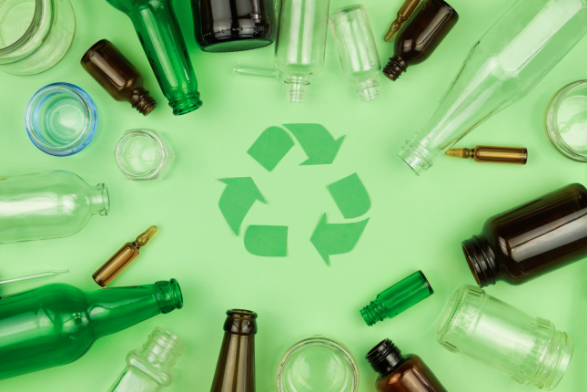
GLASS – Possible to recycle Infinitely| Innovative Circular Economy Solutions in Dubai

  Glass is a non-crystalline, often transparent, amorphous solid that has widespread practical, technological, and decorative application. G...