Showing posts with label mobile recycling. Show all posts

Monday, May 13, 2024

The Environmental Costs of Fast Fashion| Waste management company in dubai| Recycling Services in Dubai

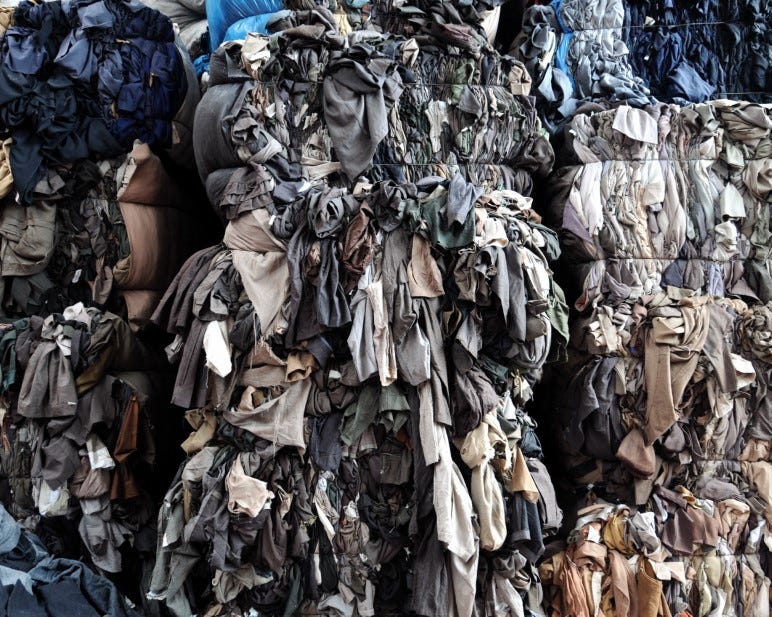
 New season, new styles, buy more, buy cheap, move on, throw away: the pollution, waste, and emissions of fast fashion are fueling the triple planetary crisis.

The annual Black Friday sales on 25 November are a reminder of the need to rethink what is bought, what is thrown away, and what it costs the planet. Sustainable fashion and circularity in the textiles value chain are possible, yet this century the world’s consumers are buying more clothes and wearing them for less time than ever before, discarding garments as fast as trends shift.

The United Nations Environment Programme (UNEP) is spearheading an initiative towards zero-waste; the only solution to the current situation.

Read More : Recycling Services in Dubai

Visit us : Recycling Companies in Dubai

Contact Us : Carton recycling Dubai

Wednesday, April 17, 2024

The Environmental Costs of Fast Fashion


New season, new styles, buy more, buy cheap, move on, throw away: the pollution, waste, and emissions of fast fashion are fueling the triple planetary crisis.

The annual Black Friday sales on 25 November are a reminder of the need to rethink what is bought, what is thrown away, and what it costs the planet. Sustainable fashion and circularity in the textiles value chain are possible, yet this century the world’s consumers are buying more clothes and wearing them for less time than ever before, discarding garments as fast as trends shift.

The United Nations Environment Programme (UNEP) is spearheading an initiative towards zero-waste; the only solution to the current situation.

Get More Info : Waste Management in UAE | dubai municipality approved

Visit Us : https://yesfullcircle.com/

Paper Waste Reduction , Brand Protection in UAE , circular economy solutions

Tuesday, January 30, 2024

E-Waste Recycling | E-waste Recycling Service in Dubai


According to a UN study, about 50 million tonnes of electronic waste were disposed of worldwide. E-waste or electronic waste recycling is the process of recovery material from old devices to useful new products. Most of these electronic products end up in landfills, and only 20% of e-waste is recycled. E-waste should be properly disposed of as it contains various toxic and hazardous chemicals and materials that are released into the environment. In addition to the rise in the use and purchase of electronic items such as smartphones and laptops, e-waste has also risen.

Recycling old and damaged electronics can reduce the need to mine metals and it will reduce greenhouse gas emissions since old devices have been re-used for producing new ones. TVs, laptops, PCs, video consoles, cables, wires, smartwatches, remote controls, and mobile phones can all be recycled for metals such as copper, tin, iron, aluminium, carbon, titanium, gold, and silver. There are many materials used in making these electronic devices that can be recovered, reused, and recycle.

 More info :  E-Waste Recycling | E-waste Recycling Service in Dubai

Wednesday, December 27, 2023

The Detrimental Impacts of Plastic Pollution on Animals

Over the past 70 years, our reliance on plastic—a cost-effective and efficient material—has surged dramatically. However, while the global production and consumption of this versatile material continue to surge, our efforts in disposing and recycling plastics are lagging far behind. The stark reality? Global plastic pollution, once at two million tonnes in 1950, soared to a staggering 348 million tonnes in 2017. If current trends persist, projections signal a doubling by 2040.

(Source: The Detrimental Impacts of Plastic Pollution on Animals).

The aftermath is dire, impacting both wildlife and human life at alarming rates. Plastic pollution wreaks havoc on animals, creating an incredibly harmful environment. Let’s delve into the profound implications of this global crisis on our precious wildlife.

More info Click Here : Plastic Recycling Solutions in Dubai

Thursday, December 21, 2023

Dubai Municipality Approved recyclers

Dubai, a city known for its dazzling skyline and futuristic architecture, is also taking significant strides towards sustainability. The Dubai Municipality has implemented stringent measures to ensure responsible waste management, and one crucial aspect of this initiative is the approval of recyclers. In this blog post, we'll explore the importance of recycling in Dubai and provide you with a comprehensive guide to Dubai Municipality Approved recyclers.

The Importance of Recycling in Dubai
Dubai's rapid urbanization and population growth have led to an increase in waste generation. Recognizing the environmental impact of this, the Dubai Municipality has been actively promoting recycling as a key solution. By recycling, residents and businesses contribute to conserving resources, reducing pollution, and ultimately building a more sustainable future for the city.

Dubai Municipality's Approval Process
To ensure that recycling practices adhere to the highest standards, the Dubai Municipality has established a rigorous approval process for recycling facilities. Approved recyclers must meet specific criteria related to waste handling, processing, and disposal. This ensures that recycling operations align with international best practices and contribute to minimizing the environmental footprint of the city.

Benefits of Choosing Approved Recyclers

  1. Environmental Compliance: Approved recyclers follow environmentally sound practices, helping to reduce the impact of waste on ecosystems and biodiversity.
  2. Legal Assurance: Working with Dubai Municipality Approved recyclers provides legal assurance, ensuring that waste is managed in accordance with local regulations.
  3. Data Transparency: Approved recyclers often maintain transparent records of their recycling processes, allowing customers to track and verify the sustainability of their waste disposal.


How to Identify Dubai Municipality Approved Recyclers

  1. Check the Dubai Municipality Website: The official website of the Dubai Municipality is a reliable source for a list of approved recyclers. It provides up-to-date information on licensed facilities.
  2. Look for Certifications: Approved recyclers typically display certifications from the Dubai Municipality or other relevant authorities. Certifications confirm their compliance with industry standards.
  3. Ask for Documentation: When engaging with a recycling service, don't hesitate to ask for documentation proving their approval status. Legitimate recyclers will readily provide this information.


Prominent Dubai Municipality Approved Recyclers
Bee'ah:

  • Services: General waste recycling, e-waste disposal, and sustainable waste management solutions.
  • Certifications: Dubai Municipality Approved, ISO 14001 certified.

Enviroserve:

  • Services: Specialized in electronic waste recycling and secure data destruction.
  • Certifications: Dubai Municipality Approved, R2 (Responsible Recycling) certified.

Dulsco:

  • Services: Comprehensive waste management solutions, including recycling and waste collection.
  • Certifications: Dubai Municipality Approved, ISO 14001 and ISO 9001 certified.

Monday, December 18, 2023

Transforming Waste into Taste: The Power of Food Waste Recycling

In a world where sustainability is paramount, addressing the issue of food waste has become more crucial than ever. The staggering amount of food discarded globally not only contributes to environmental degradation but also wastes valuable resources. However, there is a silver lining – the rising trend of food waste recycling. In this blog post, we'll explore the significance of food waste recycling and how it can turn what was once considered waste into a resourceful and sustainable solution.

  1. Understanding the Scale of the Issue:

    • Start by highlighting the alarming statistics on global food waste. Emphasize the environmental impact and the strain on resources caused by this widespread issue.

  2. The Lifecycle of Food Waste:

    • Break down the journey of food from production to consumption and eventual disposal. Discuss the various stages where waste occurs and how each step contributes to the overall problem.

  3. Benefits of Food Waste Recycling:

    • Explore the positive environmental impacts of recycling food waste, such as reducing methane emissions from landfills and decreasing the need for additional land for waste disposal.
  4. Types of Food Waste That Can Be Recycled:

    • Provide a comprehensive list of food items that can be recycled, including fruit and vegetable scraps, eggshells, coffee grounds, and more. Explain how these items can be repurposed into valuable resources.

  5. Methods of Food Waste Recycling:

    • Detail different methods of recycling food waste, such as composting, anaerobic digestion, and insect-based conversion. Explain the processes involved in each method and their unique advantages.

  6. Composting at Home:

    • Encourage readers to take small steps towards reducing their own food waste by composting at home. Provide practical tips on setting up a composting system and how it can benefit their gardens or indoor plants.

  7. Innovations in Food Waste Recycling Technology:

    • Highlight cutting-edge technologies that are revolutionizing food waste recycling. This could include advancements in anaerobic digestion systems, smart waste tracking apps, and more.

  8. Community Initiatives and Success Stories:

    • Share inspiring examples of communities, businesses, or cities that have successfully implemented food waste recycling programs. Discuss the positive outcomes and the ripple effects on both the environment and the local economy.

  9. Challenges and Solutions:

    • Address the challenges associated with food waste recycling, such as contamination and lack of awareness. Propose solutions and emphasize the role of education and community involvement in overcoming these obstacles.

  10. The Role of Individuals in Food Waste Reduction:

    • Conclude the blog by empowering readers to make a difference in their daily lives. Offer practical tips on how individuals can minimize food waste through mindful shopping, meal planning, and responsible disposal.

Tuesday, December 5, 2023

Paper recycling in Dubai

Paper recycling in Dubai, as in many other places, involves the collection, processing, and transformation of used paper materials into new paper products. Recycling paper has several environmental benefits, such as reducing the demand for raw materials, conserving energy, and minimizing the environmental impact associated with paper production.

Here are some key aspects of paper recycling in Dubai:

Collection:
Used paper is collected from various sources, including households, businesses, educational institutions, and government offices.


Collection methods may involve curbside pickup, drop-off centers, or dedicated recycling bins placed in strategic locations.

Sorting:
Collected paper is sorted to remove contaminants such as plastic, metal, and other non-paper materials.
The sorting process ensures that the paper is clean and suitable for recycling.

Processing:
After sorting, the paper is processed in recycling facilities. This typically involves shredding or pulping the paper to break it down into fibers.

The paper pulp is then cleaned and refined to remove any remaining impurities.


Production of Recycled Paper Products:
The cleaned and refined paper pulp is used to manufacture various recycled paper products, including newspapers, cardboard, tissue paper, and packaging materials.

Distribution:
The recycled paper products are distributed to manufacturers and businesses that use them in their operations.

Promoting Awareness:
Public awareness campaigns and educational initiatives are essential to encourage individuals and businesses to participate in paper recycling.

Dubai's government and environmental organizations may conduct outreach programs to inform the public about the importance of recycling and the proper methods for disposal.

Government Regulations:
Dubai, like many other regions, may have regulations and policies in place to promote recycling and waste reduction. This could include incentives for businesses to adopt sustainable practices.


Private Recycling Companies:
Private recycling companies may play a significant role in paper recycling efforts in Dubai. These companies may collaborate with businesses and municipalities to streamline the collection and recycling process.

Sunday, November 19, 2023

Electronics recycling in Dubai

Dubai, with its towering skyscrapers and cutting-edge technology, stands as a symbol of progress and innovation. However, with technological advancements come the inevitable issue of electronic waste. As the city continues to embrace the latest gadgets and devices, the need for responsible electronics recycling in Dubai becomes more crucial than ever. In this blog post, we'll explore the significance of electronics recycling and how individuals and businesses can contribute to a sustainable and eco-friendly future.

  1. The Rising Tide of Electronic Waste:
    Dubai's rapid technological development has led to a surge in electronic waste. From outdated smartphones to obsolete computers, the city faces the challenge of managing and disposing of electronic devices responsibly. Understanding the environmental impact of electronic waste is the first step towards fostering a culture of recycling.

  2. Environmental Impact of E-Waste:
    Electronics contain hazardous materials such as lead, mercury, and cadmium, which can pose severe risks to the environment and human health if not handled properly. By recycling electronic devices, we can prevent these harmful substances from leaching into the soil and water, reducing pollution and protecting ecosystems.

  3. Conserving Finite Resources:
    Electronics recycling plays a crucial role in conserving valuable resources. Many electronic devices contain precious metals like gold, silver, and copper. By recycling these materials, we reduce the need for mining and extraction, helping to preserve Earth's finite resources and minimize the environmental impact associated with mining activities.

  4. Energy Savings through Recycling:
    Recycling electronics not only conserves raw materials but also saves energy. The production of new electronics requires significant energy inputs. By recycling, we can reduce the energy demand associated with manufacturing, leading to a decrease in greenhouse gas emissions and a more sustainable energy footprint.


  5. The Role of Responsible E-Waste Management Companies: 

     Dubai is home to several e-waste management companies committed to handling electronic waste responsibly. These organizations provide collection services, ensuring that electronic devices are disposed of in an environmentally friendly manner. Collaborating with such companies is a proactive step towards a greener Dubai.


  6. Community Initiatives for Electronics Recycling: 


    Encouraging community participation is vital for the success of any recycling program. Organizing awareness campaigns, electronic waste collection drives, and incentivizing recycling efforts can foster a sense of responsibility among residents and businesses alike.


  7. Government Policies and Regulations: 


    Dubai's government recognizes the importance of addressing electronic waste and has implemented regulations to govern its proper disposal. Staying informed about these policies and complying with them ensures that the city moves towards a more sustainable and environmentally conscious future.


    More info click here :  Electronics recycling in Dubai


Thursday, November 16, 2023

How To Live Sustainably – Home edition

 Embracing sustainable living at home is a pivotal step in minimizing your carbon footprint and contributing to a healthier environment. Here are actionable tips to seamlessly integrate sustainability into your daily routine: plastic recycling, Dubai

  1. Reduce, Reuse, Recycle:

Embrace the mantra of reducing waste by minimizing single-use plastics, repurposing containers, and ensuring proper recycling practices. Upcycling adds an innovative touch, further reducing the burden on landfills.

  1. Conserve Energy:

Foster energy efficiency by turning off lights and electronics when not in use. Opt for energy-efficient bulbs and appliances to curtail energy consumption. For a sustainable energy source, contemplate the installation of solar panels to generate renewable energy at home.

  1. Water Conservation:

Treat water as the precious resource it is by fixing any leaks in your home. Employ low-flow showerheads and faucets to optimize water usage. Consider collecting rainwater and repurposing water from rinsing fruits and vegetables to nourish your plants, effectively conserving water and reducing your water bill.

  1. Grow Your Own Food:

Cultivate sustainability in your backyard or balcony by growing your own herbs, fruits, and vegetables. Not only does this practice reduce your carbon footprint by diminishing the need fortransportation, but it also provides you with fresh, homegrown produce.

  1. Use Sustainable Products:

Make conscious choices by opting for eco-friendly products crafted from sustainable materials like bamboo, hemp, and recycled plastic. Not only are these products durable, but they also contribute to minimizing environmental impact.

By adopting these practices, you’re not just making small changes at home; you’re actively participating in a sustainable lifestyle. Join the movement toward eco-conscious living and play your part in preserving our planet for future generations.

More info :  recycling in uae | How To Live Sustainably – Home edition

Friday, October 13, 2023

Food Waste Recycled

Food waste is a significant vibes unwell in the UAE: the annual cost of food waste has been estimated at $3.5 billion, gone about 38% of the food prepared daily in the UAE wasted.

The average UAE resident generates just approximately 2.7 kilograms of waste all day, according to 2016. Thats on depth of double than someone in Europe  who produces just 1.2kg!

Not single-handedly does this come at a major economic and social cost, food waste decomposition in landfill leads to the closely of greenhouse gasses in the flavor of carbon dioxide (CO2) and methane. A major allocation of these emissions comes directly from food waste rotting in landfill.
Why is it important to recycle food waste?

Food waste that is not recycled may be sent to landfill where it rots, causing a colossal negative impact vis--vis the atmosphere by releasing methane  a harmful greenhouse gas that is 25 epoch more potent than carbon dioxide.

Some local councils send their non-recyclable waste to be incinerated to create useful moving picture. However, food waste is composed of very about 70% water, requiring considerably more energy to burn it, making this a less efficient method of disposal than recycling.

More and more people are recycling their food waste. If we all stopped wasting the food which could have been eaten, it would have the connected CO2 impact as taking 1 in 4 cars off the roads.

More info : Food Waste Recycled

Thursday, October 5, 2023

Food Waste Recycling

Food waste recycling is the process of collecting, processing, and reusing or disposing of food scraps and leftovers in an environmentally responsible manner. It is an important aspect of waste management and sustainability efforts, as food waste is a significant global issue with economic, environmental, and social implications. Here are some key aspects of food waste recycling:

Collection: Food waste recycling typically begins at the source, such as households, restaurants, supermarkets, and food processing facilities. Special containers or bins are often provided for the separate collection of food scraps.

Segregation: Once collected, food waste is typically segregated from other types of waste like plastics, paper, and metals. This separation is crucial to ensure that the food waste can be processed effectively.

Processing: Food waste can be processed through various methods, including composting, anaerobic digestion, and in some cases, conversion into animal feed or bioenergy. The choice of processing method depends on local infrastructure, resources, and goals.

Composting: Composting is a natural decomposition process in which microorganisms break down organic materials, including food waste, into nutrient-rich compost. This compost can be used to enrich soil in agriculture and gardening.

Anaerobic Digestion: Anaerobic digestion is a biological process in which microorganisms break down organic matter in the absence of oxygen. This process produces biogas (mainly methane and carbon dioxide) that can be used for energy production, and the leftover digestate can be used as a soil conditioner.

Animal Feed or Bioenergy: In some cases, food waste can be processed and used as animal feed, or it can be converted into bioenergy through processes like incineration or gasification.

Reducing Food Waste: While recycling food waste is essential, it's equally important to reduce food waste in the first place. This can be achieved through better meal planning, portion control, food storage, and awareness campaigns.


Benefits: Food waste recycling has several benefits:

Environmental: It reduces the amount of food waste ending up in landfills, where it can produce methane, a potent greenhouse gas. Recycling food waste also conserves resources and reduces the environmental footprint associated with food production.

Economic: Recycling food waste can generate revenue through the sale of compost, biogas, or other byproducts. It can also lower disposal costs for waste management companies.

Social: Food waste recycling initiatives can raise awareness about the importance of reducing food waste and promote community involvement in sustainable practices.

Food waste recycling is an important component of broader efforts to address food sustainability, reduce environmental impact, and promote responsible consumption and production patterns. Many countries and communities are implementing food waste recycling programs to tackle this global challenge.


More Info : Food Waste Recycling

Wednesday, September 27, 2023

Counterfeit items recycling Dubai

Recycling counterfeit items in Dubai or any other location can be a complex and legally sensitive matter. Counterfeit goods typically refer to fake or imitation products that infringe on intellectual property rights and trademarks. In most jurisdictions, including Dubai and the United Arab Emirates (UAE), the sale, possession, and distribution of counterfeit items are illegal.

Here are some steps you can take if you come across counterfeit items and wish to address them responsibly in Dubai:

Report to Authorities: If you suspect counterfeit items are being sold or distributed in Dubai, you should report the matter to the relevant authorities. In the UAE, this would typically involve contacting the Dubai Police or the UAE Ministry of Economy's Department of Combating Commercial Fraud.

Avoid Handling or Distributing: Do not handle or distribute counterfeit items yourself, as this can potentially lead to legal issues.

Consult Legal Experts: If you are a business owner facing issues with counterfeit products, consider consulting with legal experts who specialize in intellectual property rights and trademark enforcement. They can guide you through the legal process and help protect your brand.

Cooperate with Brand Owners: If you are a business owner or individual who unknowingly purchased counterfeit items, cooperate with brand owners or their representatives if they contact you regarding the counterfeit products. They may want to investigate the source and take legal action against counterfeiters.

Dispose Responsibly: When it comes to recycling counterfeit items, you should consult with local authorities or recycling centers to determine the appropriate disposal method. In most cases, counterfeit items are typically seized and destroyed by law enforcement agencies.

Remember that handling counterfeit items improperly can lead to legal consequences, so it's essential to follow the proper legal channels when dealing with such goods. Additionally, laws and regulations may change over time, so it's crucial to stay informed about the latest legal developments in Dubai and the UAE regarding counterfeit goods. 

More info : Counterfeit items recycling Dubai

Counterfeit items recycling Dubai

Thursday, September 21, 2023

Waste Management in UAE


It is estimated that the UAE produces on intensity of 2.5 million tonnes of waste the complete hours of day, once than much of this coming from construction and demolition sites. In order to fighting this growing grief-stricken, the UAE has implemented a number of initiatives aimed at increasing recycling rates. These p.s. programs that meet the expense of incentives for residents to recycle their waste, as ably as laws that mandate the recycling of conclusive materials.

One of the most wealthy waste government programs in the UAE is the waste segregation move around. This disturb encourages residents to cut off their waste into alternating categories, such as paper, plastic, metal, and glass. Once the waste has been segregated, it can subsequently be taken to a recycling expertise where it will be processed and turned into late gathering products.

The waste segregation campaigning has been consequently affluent that it has helped to mount occurring recycling rates in the UAE by on peak of 20%. In postscript to this, a number of added initiatives have as well as been adding occurring place in order to adding member up recycling rates. These append:

 Offering incentives for residents who recycle their waste

 Establishing laws that mandate the recycling of conclusive materials

 Working in the back businesses to quantity recycling rates

 Providing education and awareness roughly the minister to of recycling

By functioning together, the UAE can continue to grow its recycling rates and make a certain impact concerning the atmosphere.

More info :  Waste Management in UAE

Friday, September 15, 2023

Light Bulb Recycling

 Light bulbs after its moving picture-period are usually thrown away and not recycled, which later ends happening in landfills where the chemicals contained within these may leach to the soil and groundwater affecting the atmosphere. There are many types of fresh bulbs that can be recycled; the raw materials can be recovered and reused. Using recovered materials takes occurring less moving picture than it does to manufacture items following raw material and helps from supplementary mineral mining.

Here are some of the types of light bulbs (and it’s parts) that can be recycled:

Light-Emitting Diode or LED Light Bulbs

LED lights are the most environmentally understandable light bulbs in the puff because of their elongated lifespan, nonattendance of risky chemicals, and based subsequent to mention to its vivaciousness efficiency rate. LED lights obtain not contain toxic elements. However, it is made of electronic components such as Diodes, semiconductors, or transformers which could be recycled. LEDs are made of glass (88%), some metals (5%) and auxiliary swap materials (7%). Some metals contained in LEDs are useful for recycling such as indium, gallium, or some rare-earth element (REE) that you can locate in the crust. Its greater than before to avoid those lights to make their showing off to landfills.

Fluorescent Lamps

Fluorescent lights are more computer graphics efficient than the rosy lights. Recycling for Fluorescent lights is crucial, on the other hand the mercury and phosphorus content can spill to the atmosphere taking into consideration disposed of in landfills.

Recycling helps in separating mercury, phosphorus powder, glass, and metals and the same can be reused in attachment fluorescent lamps.


More Info Click Here : Light Bulb Recycling | Light Bulb Recycling in dubai

Related More Blog :  Blogs | Recycling Companies in Dubai | YES Full Circle


Thursday, September 7, 2023

How To Dispose Of Electronics: Say No To E-Waste

 It’s difficult to not get caught up in the excitement of new technology. Compared with even just a decade ago, tech has come a long way. But in all the excitement of what’s new, it’s important to not forget about the old.

E-waste has become a massive problem. Fortunately, as you’ll see in this article, there are a few easy-to-implement solutions for how to dispose of electronics responsibly.

More Info Click here : End waste in Dubai

GLASS – Possible to recycle Infinitely| Innovative Circular Economy Solutions in Dubai

  Glass is a non-crystalline, often transparent, amorphous solid that has widespread practical, technological, and decorative application. G...