Showing posts with label e waste recycling. Show all posts

Saturday, June 29, 2024

How are textiles/fabrics recycled ?


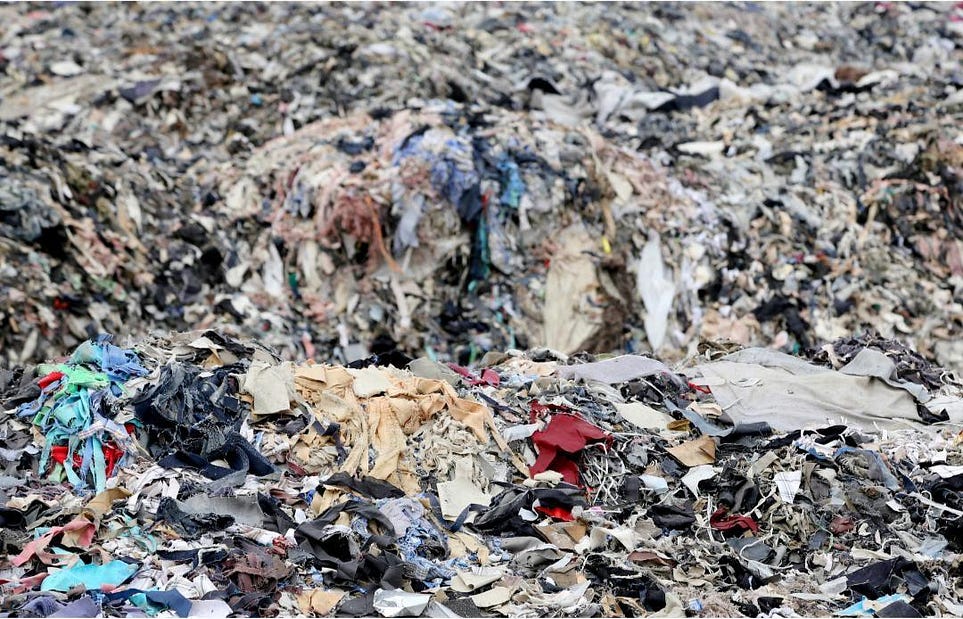
Textile/fabric recycling is the reprocessing of the non-usable fabric to a usable form. Overall fabric waste has risen sharply due to the expansion of the clothing and textile industries as well as the fast fashion trend among consumers. Globally, the fashion industry pumps out 100 billion garments annually.

Yet only 12% of used textiles or clothes are mechanically recycled (cutting or shredding into fibers), and​ less than 1% is chemically recycled back to reuseable raw materials. 87% of unwanted clothes are thrown and sent to landfills

Why should we recycle textile/fabrics?

Natural fibers might take several weeks to several years to degrade in landfills. Most of the clothing made of synthetic fibers, comprises of plastic which might take years, or may never totally decompose. These will also emit CO2 and methane gas into the atmosphere when left in landfills and eventually be the cause of environmental deterioration.

Types of Textiles waste that can be recycled:

  • Pre-Consumer textile waste and post-consumer textile waste
  • Pre-Consumer Textile Waste: By-products of yarn and fabric manufacture
  • Post-Consumer Textile Waste: Includes garments, vehicle upholstery, carpets, towels, bedding, purses and more

Benefits of textile/fabrics recycling

Recycling of textile/fabrics waste will recover the re-usable raw materials that can be used as raw materials for creating new clothes and thereby promoting a circular economy.

The recycling strategies of upcycling and closed-loop recycling can best conserve resources including raw materials, water and energy while having a minimal negative impact on the environment.

Recycling clothes reduces the factors that contribute to climate change because when they are disposed of in landfills, they produce greenhouse gasses.

Therefore, recycle your old clothes and give them a second chance. This way we are all doing our bit in supporting a circular economy.

Get More Info : laptop recycling in dubai

Website : https://yesfullcircle.com/

Contact Us : E-waste Recycling Service in Dubai

Tuesday, June 25, 2024

Mask Recycling Initiatives From Across The Globe | waste management company in dubai

Every month, around 129 billion disposable masks are used around the world. Large enterprises and independent researchers alike are now trying to come up with ways to recycle them and put them to their best possible use as an innovation. Here are the current plans and execution of the COVID-19 Mask Recycling. Research Taken Up For Recycling Masks Australian researchers plan to turn single-use Covid masks into road material. Their research showed that using recycled face mask fibre to construct only one kilometer of the two-lane road will consume approximately 3 million masks, sparing 93 tonnes of waste from being disposed of in landfills. A  group of researchers from India’s University of Petroleum and Energy Studies analysed the composition of masks, gloves, and other items to discover that they may be broken down into bio fuel at extreme temperatures. As per a January parliamentary report, 40,000 tonnes of masks were discarded in France last year with no opportunity for recycling. Scholars have sat together to focus on this issue. This led to various strategies being formulated to combat mask pollution. Strategies Enforced To Put Disposed Masks To Use Several hospitals in the United Kingdom have purchased a compactor that melts protective robes and surgical masks into blue slabs. After that, the material is utilised to create garden seats or tables. The country has also been reincarnating masks as vehicle floor carpets. A recycling company in France collects masks thrown in dedicated bins used by 30 customers, hospitals and other companies, that are used to build other materials. Another creative startup company in France discovered a new recycling market. They take disposable face masks and create fresh products. The company’s founders have been able to recycle an incredible amount of 70,000 masks. The result is a plastic fibre that can be used to make a variety of textile items. In the US protective gear is repurposed into benches and New Jersey had recently seen a company, sell an $88 “zero waste box” for disposable masks. Several companies have ever since shown interest, where their teams are now seeking financial aid to continue their research, which may take up to two years. Summing Up Just under a year ago, more than 1.5 billion masks were found in the many oceans, which resulted in an additional 6,200 tonnes of marine plastic pollution. This created a new problem and challenge in the world that we still strive to comprehend and eliminate. They are also polluting streets and are a threat to wildlife. Due to their effectiveness in limiting the spread of disease, face masks have become a fundamental part and otherwise, an accessory. The disposable masks are what we need to look out for. There have been tonnes of efficient initiatives taken up globally and researchers continue to find new possibilities to do away with the masks. The right method of disposal should be followed by every citizen and firm while also seeking ways to come forward and recycle them for a sustainable and virus free world. Get More Info : waste management company in dubai

Thursday, June 13, 2024

How To Achieve Carbon Net Zero By 2030 | Waste Management & Recycling Company in Dubai

 Achieving carbon net zero by 2030 is a monumental task, but it is absolutely necessary if we want to avoid the worst impacts of climate change. To achieve this goal, we need a multipronged approach that encompasses every sector of society.

Firstly, we need to drastically reduce our reliance on fossil fuels. This means investing heavily in renewable energy sources like wind, solar, and geothermal. We can also promote energy efficiency by retrofitting buildings with insulation and efficient heating and cooling systems.

Secondly, we need to change the way we produce and consume goods. This means transitioning to a circular economy where we reuse and recycle materials instead of constantly extracting new resources. We can also reduce the carbon footprint of our food system by promoting plant-based diets and reducing food waste.

Thirdly, we need to invest in carbon capture and storage technologies. This will allow us to capture carbon emissions from industrial processes and store them underground, reducing the amount of CO2 that is released into the atmosphere.

Finally, we need to work together as a global community to address climate change. This means setting ambitious emissions targets and providing financial and technological support to countries that are most vulnerable to the impacts of climate change.

Achieving carbon net zero by 2030 will not be easy, but it is possible if we act now and work together. By taking bold action, we can create a sustainable future for ourselves and for generations to come.

Get More Info : Pharmaceutical waste recycling in UAE

Website : https://yesfullcircle.com/

Contact Us : Waste Management services in dubai

Tuesday, December 12, 2023

Revolutionizing Sustainability: Plastic Recycling in Dubai

 In recent years, Dubai has emerged as a global hub for innovation and sustainable practices. As the city continues to grow, so does the concern for environmental impact, particularly in the realm of plastic waste. In response to this challenge, Dubai has taken significant strides in plastic recycling, contributing to a more sustainable and eco-friendly future.

The Plastic Problem in Dubai:
Dubai, like many other urban centers, faces the challenges posed by the increasing use of plastic in daily life. From packaging materials to single-use items, the accumulation of Plastic recycling dubai has become a pressing environmental issue. Recognizing the need for change, the city has implemented ambitious initiatives to address this problem head-on.

State-of-the-Art Recycling Facilities:

Dubai's commitment to sustainability is evident in the establishment of state-of-the-art plastic recycling facilities. These facilities leverage cutting-edge technology to sort, process, and recycle plastic waste efficiently. Advanced machinery ensures that various types of plastics can be effectively separated, allowing for a more comprehensive recycling process.

Community Engagement and Awareness:

To complement recycling infrastructure, Dubai has invested in community engagement and awareness programs. Educational initiatives aim to inform residents and businesses about the importance of responsible plastic use and disposal. By fostering a sense of environmental responsibility, Dubai is building a community-driven approach to plastic waste management.

Innovative Solutions for Plastic Repurposing:

Dubai has also become a hotspot for innovative solutions in plastic repurposing. From transforming plastic waste into construction materials to creating sustainable fashion items, the city is embracing creativity to reduce its ecological footprint. These initiatives not only contribute to waste reduction but also stimulate economic growth in the sustainable products sector.

Government Policies and Regulations:

Government policies play a crucial role in shaping a city's approach to environmental challenges. Dubai has implemented stringent regulations to curb single-use plastic consumption and promote recycling practices. These policies encourage businesses and individuals alike to adopt more sustainable alternatives, fostering a culture of responsibility towards the environment.

The Future of Plastic Recycling in Dubai:
As Dubai continues to make strides in Plastic Recycling Solutions in Dubai, the future looks promising for a city that values sustainability. Ongoing research and development efforts, coupled with public and private sector collaboration, indicate a commitment to creating a circular economy where plastic is recycled and repurposed, rather than ending up in landfills.


Monday, February 21, 2022

End waste in Dubai


What does End Waste Now do?

EWN works with both private and public sector organizations to:

  1. Implement waste reduction strategies
  2. Implement circular economy solutions to maximize the use of waste as a resource back into the circular economy

This is done through consulting, project management, and providing innovative technological solutions.

What is End Waste Now?

End Waste Now is a division of YES Full Circle.

We believe in reducing waste generations rates, and where waste has to be produced, to convert into a useful resource for a circular economy.

More Info :  End waste in Dubai

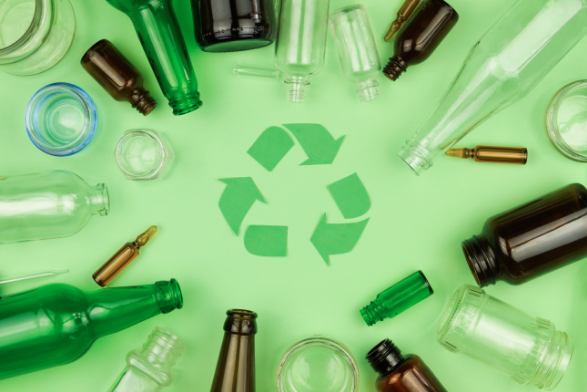
GLASS – Possible to recycle Infinitely| Innovative Circular Economy Solutions in Dubai

  Glass is a non-crystalline, often transparent, amorphous solid that has widespread practical, technological, and decorative application. G...