Tuesday, November 21, 2023

Counterfeit items recycling Dubai

Counterfeit items recycling Dubai items pose a significant challenge to economies and industries worldwide, contributing to economic losses and environmental harm. In Dubai, a city known for its commitment to innovation and sustainability, addressing the issue of counterfeit items has taken on a new dimension. One promising approach is the implementation of eco-friendly recycling methods specifically tailored to manage and repurpose these counterfeit goods.

Section 1: The Counterfeit Conundrum in Dubai


Overview of the prevalence of counterfeit items in Dubai and their impact on the economy and consumers.
Discussion on the challenges posed by counterfeit goods, including legal, economic, and environmental aspects.


Section 2: The Environmental Impact of Counterfeit Items

Examination of the environmental consequences of counterfeit production and disposal.
Insight into the harmful materials used in counterfeit goods that can pose risks to ecosystems and human health.


Section 3: Sustainable Recycling Solutions

Introduction to innovative recycling technologies that can be applied to counterfeit items, highlighting eco-friendly and resource-efficient methods.


Collaboration opportunities between government bodies, private sector entities, and recycling organizations to develop and implement sustainable recycling solutions.


Section 4: The Role of Technology in Recycling Counterfeit Items

Exploration of advanced technologies such as blockchain, RFID, and AI to track and identify counterfeit products throughout the supply chain.

Integration of technology to facilitate the sorting and processing of counterfeit items during recycling.

Section 5: Public Awareness and Education

The importance of raising public awareness about the environmental impact of counterfeit goods.
Educational campaigns to inform consumers, businesses, and policymakers about the benefits of recycling counterfeit items and supporting sustainable practices.


Section 6: Government Initiatives and Regulations

Overview of existing and potential regulations to incentivize recycling and penalize the production and sale of counterfeit items.


Examples of successful government initiatives from other regions that Dubai could consider as a model.
Conclusion:

Recap of the environmental and economic benefits of recycling counterfeit items in Dubai.


Call to action for stakeholders, including government, businesses, and the public, to collaborate on implementing and supporting sustainable recycling solutions for counterfeit goods.


By adopting a comprehensive approach that combines technology, public awareness, and regulatory measures, Dubai can lead the way in transforming the counterfeit goods challenge into an opportunity for sustainable innovation and environmental responsibility.

Sunday, November 19, 2023

Electronics recycling in Dubai

Dubai, with its towering skyscrapers and cutting-edge technology, stands as a symbol of progress and innovation. However, with technological advancements come the inevitable issue of electronic waste. As the city continues to embrace the latest gadgets and devices, the need for responsible electronics recycling in Dubai becomes more crucial than ever. In this blog post, we'll explore the significance of electronics recycling and how individuals and businesses can contribute to a sustainable and eco-friendly future.

  1. The Rising Tide of Electronic Waste:
    Dubai's rapid technological development has led to a surge in electronic waste. From outdated smartphones to obsolete computers, the city faces the challenge of managing and disposing of electronic devices responsibly. Understanding the environmental impact of electronic waste is the first step towards fostering a culture of recycling.

  2. Environmental Impact of E-Waste:
    Electronics contain hazardous materials such as lead, mercury, and cadmium, which can pose severe risks to the environment and human health if not handled properly. By recycling electronic devices, we can prevent these harmful substances from leaching into the soil and water, reducing pollution and protecting ecosystems.

  3. Conserving Finite Resources:
    Electronics recycling plays a crucial role in conserving valuable resources. Many electronic devices contain precious metals like gold, silver, and copper. By recycling these materials, we reduce the need for mining and extraction, helping to preserve Earth's finite resources and minimize the environmental impact associated with mining activities.

  4. Energy Savings through Recycling:
    Recycling electronics not only conserves raw materials but also saves energy. The production of new electronics requires significant energy inputs. By recycling, we can reduce the energy demand associated with manufacturing, leading to a decrease in greenhouse gas emissions and a more sustainable energy footprint.


  5. The Role of Responsible E-Waste Management Companies: 

     Dubai is home to several e-waste management companies committed to handling electronic waste responsibly. These organizations provide collection services, ensuring that electronic devices are disposed of in an environmentally friendly manner. Collaborating with such companies is a proactive step towards a greener Dubai.


  6. Community Initiatives for Electronics Recycling: 


    Encouraging community participation is vital for the success of any recycling program. Organizing awareness campaigns, electronic waste collection drives, and incentivizing recycling efforts can foster a sense of responsibility among residents and businesses alike.


  7. Government Policies and Regulations: 


    Dubai's government recognizes the importance of addressing electronic waste and has implemented regulations to govern its proper disposal. Staying informed about these policies and complying with them ensures that the city moves towards a more sustainable and environmentally conscious future.


    More info click here :  Electronics recycling in Dubai


Thursday, November 16, 2023

How To Live Sustainably – Home edition

 Embracing sustainable living at home is a pivotal step in minimizing your carbon footprint and contributing to a healthier environment. Here are actionable tips to seamlessly integrate sustainability into your daily routine: plastic recycling, Dubai

  1. Reduce, Reuse, Recycle:

Embrace the mantra of reducing waste by minimizing single-use plastics, repurposing containers, and ensuring proper recycling practices. Upcycling adds an innovative touch, further reducing the burden on landfills.

  1. Conserve Energy:

Foster energy efficiency by turning off lights and electronics when not in use. Opt for energy-efficient bulbs and appliances to curtail energy consumption. For a sustainable energy source, contemplate the installation of solar panels to generate renewable energy at home.

  1. Water Conservation:

Treat water as the precious resource it is by fixing any leaks in your home. Employ low-flow showerheads and faucets to optimize water usage. Consider collecting rainwater and repurposing water from rinsing fruits and vegetables to nourish your plants, effectively conserving water and reducing your water bill.

  1. Grow Your Own Food:

Cultivate sustainability in your backyard or balcony by growing your own herbs, fruits, and vegetables. Not only does this practice reduce your carbon footprint by diminishing the need fortransportation, but it also provides you with fresh, homegrown produce.

  1. Use Sustainable Products:

Make conscious choices by opting for eco-friendly products crafted from sustainable materials like bamboo, hemp, and recycled plastic. Not only are these products durable, but they also contribute to minimizing environmental impact.

By adopting these practices, you’re not just making small changes at home; you’re actively participating in a sustainable lifestyle. Join the movement toward eco-conscious living and play your part in preserving our planet for future generations.

More info :  recycling in uae | How To Live Sustainably – Home edition

Wednesday, November 8, 2023

10 Ways To Live More Sustainably


Living more sustainably is becoming increasingly important in today’s world. Excessive consumption drives climate change, which in turn further damages nature.

Here are 10 ways to reduce your environmental impact and live a more sustainable lifestyle:

  1. Reduce your energy consumption by turning off lights and electronics when not in Changing to energy-efficient appliances and light bulbs will also help to reduce your consumption and carbon footprint.

  2. Change your commute and drive Use public transportation, carpool, or cycle instead of driving alone to reduce emissions and fuel which in turn reduces your carbon footprint.

  3. Compost organic or food waste to reduce the amount of waste that goes to landfills.

  4. Purchase products made from sustainable materials, such as bamboo or recycled.

  5. Shop mindfully and locally to support small businesses to reduce emissions from Buying only what you need instead of mindlessly shop during every sales period can reduce your consumption and waste.

  6. Use reusable bags, water bottles, and utensils to reduce single-use plastic waste that will end up in our oceans and landfills. Studies show that people around the world buy a total of one million plastic bottles per That’s almost 1.5 billion plastic bottles per day!

  7. Shop at thrift stores or buy second-hand The clothing industry is the second largest cause of pollution and is estimated to produce 92 million tons of waste every year. Buying second-hand clothes repurposes unwanted items and decreases the need for new production, as well as second-hand shopping is typically cheaper than fast fashion brands.

  8. Reduce meat and dairy You might be surprised to discover that farming animals are one of the biggest contributors to climate change. Meat and dairy production causes 14.5% of planet-warming gases. Rainforests are being felled to make way for soya, most of which is being used to feed factory-farmed pigs and poultry.

  9. Go paperless – The production of paper has a big impact on the environment and climate change, from the tools used to remove the trees, to the equipment used to make the As well when paper is disposed of and begins to decompose it emits carbon dioxide. Some ways to reduce paper usage is to switch to online applications, send emails instead of letters, and read books through an online source.

  10. Don’t forget to recycle your products or packaging so they don’t end up in landfills which affects the When you recycle, these items get broken down into materials which can be used in products, not only does this repurpose these items but also takes the strain off the amount of raw materials that need to be harvested.

These are just a few ways to live more sustainably. By making conscious choices in our daily lives, we can all contribute to a healthier planet for future generations.

YES Full Circle is a full-service environmental service company, offering innovative and sustainable solutions. We offer secure destruction, treatment and recycling of  e-waste, metal, cartridges, plastic, papers and specialized waste.

More info :  10 Ways To Live More Sustainably

Thursday, November 2, 2023

How To Achieve Carbon Net Zero By 2030

 Achieving carbon net zero by 2030 is a monumental task, but it is absolutely necessary if we want to avoid the worst impacts of climate change. To achieve this goal, we need a multipronged approach that encompasses every sector of society.

Firstly, we need to drastically reduce our reliance on fossil fuels. This means investing heavily in renewable energy sources like wind, solar, and geothermal. We can also promote energy efficiency by retrofitting buildings with insulation and efficient heating and cooling systems.

Secondly, we need to change the way we produce and consume goods. This means transitioning to a circular economy where we reuse and recycle materials instead of constantly extracting new resources. We can also reduce the carbon footprint of our food system by promoting plant-based diets and reducing food waste.

Thirdly, we need to invest in carbon capture and storage technologies. This will allow us to capture carbon emissions from industrial processes and store them underground, reducing the amount of CO2 that is released into the atmosphere.

Finally, we need to work together as a global community to address climate change. This means setting ambitious emissions targets and providing financial and technological support to countries that are most vulnerable to the impacts of climate change.

Achieving carbon net zero by 2030 will not be easy, but it is possible if we act now and work together. By taking bold action, we can create a sustainable future for ourselves and for generations to come.

More info :  How To Achieve Carbon Net Zero By 2030

Friday, October 13, 2023

Food Waste Recycled

Food waste is a significant vibes unwell in the UAE: the annual cost of food waste has been estimated at $3.5 billion, gone about 38% of the food prepared daily in the UAE wasted.

The average UAE resident generates just approximately 2.7 kilograms of waste all day, according to 2016. Thats on depth of double than someone in Europe  who produces just 1.2kg!

Not single-handedly does this come at a major economic and social cost, food waste decomposition in landfill leads to the closely of greenhouse gasses in the flavor of carbon dioxide (CO2) and methane. A major allocation of these emissions comes directly from food waste rotting in landfill.
Why is it important to recycle food waste?

Food waste that is not recycled may be sent to landfill where it rots, causing a colossal negative impact vis--vis the atmosphere by releasing methane  a harmful greenhouse gas that is 25 epoch more potent than carbon dioxide.

Some local councils send their non-recyclable waste to be incinerated to create useful moving picture. However, food waste is composed of very about 70% water, requiring considerably more energy to burn it, making this a less efficient method of disposal than recycling.

More and more people are recycling their food waste. If we all stopped wasting the food which could have been eaten, it would have the connected CO2 impact as taking 1 in 4 cars off the roads.

More info : Food Waste Recycled

Thursday, October 5, 2023

Food Waste Recycling

Food waste recycling is the process of collecting, processing, and reusing or disposing of food scraps and leftovers in an environmentally responsible manner. It is an important aspect of waste management and sustainability efforts, as food waste is a significant global issue with economic, environmental, and social implications. Here are some key aspects of food waste recycling:

Collection: Food waste recycling typically begins at the source, such as households, restaurants, supermarkets, and food processing facilities. Special containers or bins are often provided for the separate collection of food scraps.

Segregation: Once collected, food waste is typically segregated from other types of waste like plastics, paper, and metals. This separation is crucial to ensure that the food waste can be processed effectively.

Processing: Food waste can be processed through various methods, including composting, anaerobic digestion, and in some cases, conversion into animal feed or bioenergy. The choice of processing method depends on local infrastructure, resources, and goals.

Composting: Composting is a natural decomposition process in which microorganisms break down organic materials, including food waste, into nutrient-rich compost. This compost can be used to enrich soil in agriculture and gardening.

Anaerobic Digestion: Anaerobic digestion is a biological process in which microorganisms break down organic matter in the absence of oxygen. This process produces biogas (mainly methane and carbon dioxide) that can be used for energy production, and the leftover digestate can be used as a soil conditioner.

Animal Feed or Bioenergy: In some cases, food waste can be processed and used as animal feed, or it can be converted into bioenergy through processes like incineration or gasification.

Reducing Food Waste: While recycling food waste is essential, it's equally important to reduce food waste in the first place. This can be achieved through better meal planning, portion control, food storage, and awareness campaigns.


Benefits: Food waste recycling has several benefits:

Environmental: It reduces the amount of food waste ending up in landfills, where it can produce methane, a potent greenhouse gas. Recycling food waste also conserves resources and reduces the environmental footprint associated with food production.

Economic: Recycling food waste can generate revenue through the sale of compost, biogas, or other byproducts. It can also lower disposal costs for waste management companies.

Social: Food waste recycling initiatives can raise awareness about the importance of reducing food waste and promote community involvement in sustainable practices.

Food waste recycling is an important component of broader efforts to address food sustainability, reduce environmental impact, and promote responsible consumption and production patterns. Many countries and communities are implementing food waste recycling programs to tackle this global challenge.


More Info : Food Waste Recycling

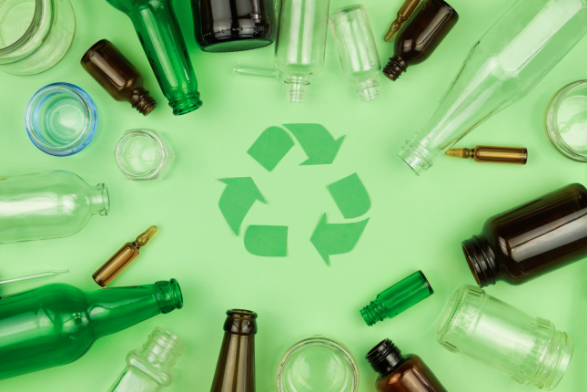
GLASS – Possible to recycle Infinitely| Innovative Circular Economy Solutions in Dubai

  Glass is a non-crystalline, often transparent, amorphous solid that has widespread practical, technological, and decorative application. G...