Tuesday, May 30, 2023

The Environmental Costs of Fast Fashion

New season, new styles, buy more, buy cheap, move on, throw away: the pollution, waste, and emissions of fast fashion are fueling the triple planetary crisis.

The annual Black Friday sales on 25 November are a reminder of the need to rethink what is bought, what is thrown away, and what it costs the planet. Sustainable fashion and circularity in the textiles value chain are possible, yet this century the world’s consumers are buying more clothes and wearing them for less time than ever before, discarding garments as fast as trends shift.


The United Nations Environment Programme (UNEP) is spearheading an initiative towards zero-waste; the only solution to the current situation.

                                                                Read The Full Article

Get More Info : Dubai municipality approved

Websites : https://yesfullcircle.com/

Contact Us : Recycling Companies in Dubai


Monday, May 15, 2023

8 Innovative Waste Management Solutions in 2023

Waste Management solutions have evolved tremendously to meet the high standards of sustainability and profitability. These solutions are developed around the fact that the world is under a climate crisis and as a part of the climate action plan, waste management solutions become integral for survival. Many jump to empty conclusions in regards to how to fight climate change or global warming, but are blind to adopting smart strategies to implement and eradicate the problem.

Waste accumulation accounts for a major chunk of global warming, as it causes greenhouse gas emissions and pollutes our oceans, environment, and our natural source of food. How? Well, marine life is a major source of protein for many around the world and it is heavily impacted due to the waste found in the oceans. The waste, which is mostly plastic waste, ends up breaking down into microplastics which are mistaken for food. That is just one way of waste interacting with marine life, many of them tend to die by getting caught in a mass swirl of waste. Due to such incidents, the entire ecosystem gets compromised causing a chain reaction.

Similar is the case with the waste accumulated on land at the landfills. From landfills, some of the waste ends up in the oceans or it is left to rot or burn. Both ways it is emitting greenhouse gasses, which traps the heat in the atmosphere, causing global warming. If all that waste was to be taken care of, there would be fewer GHG emissions and our planet wouldn’t be warming up as it is today.

Innovative waste management solutions are there to help us manage our waste and ensure that an object’s usability is maximized. It can be done by either reusing, recycling, or reducing. All of that is applicable on an individual level. However, industrial-scale waste management or community-wide waste management requires specialized resources and strategic planning. As a result, waste management solutions are being implemented around the world in different industries to combat waste production.

Get More Info : waste management solution

Dubai waste management

Websites : https://yesfullcircle.com/

Contact Us : Recycling Companies in Dubai

Thursday, May 11, 2023

Light Bulb Recycling

Light bulb recycling is the process of collecting and properly disposing of used or broken light bulbs to minimize their environmental impact. Light bulbs, particularly certain types such as fluorescent lamps and compact fluorescent lamps (CFLs), contain small amounts of hazardous materials, including mercury, which can be harmful if released into the environment.

Here are some important points to consider regarding light bulb recycling:

Types of light bulbs: Different types of light bulbs require specific recycling methods due to their varying compositions. The most common types include incandescent bulbs, CFLs, LEDs, and fluorescent tubes.

Incandescent bulbs: These traditional bulbs do not contain hazardous materials and can be safely disposed of in regular household waste. However, it is always a good practice to check local regulations, as some areas may have specific guidelines.

CFLs and fluorescent bulbs: CFLs and fluorescent bulbs contain a small amount of mercury vapor, which is why they require special handling. Recycling programs for these bulbs are available in many regions, typically through designated drop-off locations or recycling centers.

LEDs: Light-emitting diode (LED) bulbs do not contain hazardous materials, but they are made of components like glass, plastic, and metals that can be recycled. Recycling options for LEDs may vary depending on your location. Check with your local recycling center or municipality for specific guidelines.

Recycling options: Many communities have established recycling programs for light bulbs, including dedicated drop-off locations at recycling centers, retail stores, or municipal facilities. Some manufacturers or retailers may also offer take-back programs for specific types of light bulbs.

Recycling process: The recycling process for light bulbs typically involves separating the different components for recycling. For example, fluorescent tubes are crushed to recover the mercury and other materials. The glass, metal, and plastic parts of CFLs and LEDs can also be recycled separately.

Safe handling: When handling broken bulbs, especially CFLs and fluorescent tubes, it's important to take precautions to minimize exposure to mercury vapor. Avoid direct contact with the broken glass or powder, and use gloves or a plastic bag to handle the debris. Properly ventilate the area, and consult local guidelines for cleanup and disposal procedures.

Disposal as e-waste: In some cases, light bulbs that cannot be recycled may be classified as electronic waste (e-waste) and should not be thrown in regular trash. E-waste disposal programs or collection events may be available in your area for safe disposal of these items.

Remember to check the recycling options and regulations specific to your location, as they can vary. Local recycling centers, municipal websites, or environmental organizations can provide information on how to recycle light bulbs responsibly in your area.

Get More Info : Light Bulb Recycling
 

Monday, May 8, 2023

2023: The Year of Sustainability in the UAE

President His Highness Sheikh Mohamed bin Zayed Al Nahyan has announced that 2023 will be the “Year of Sustainability”.

The “Year of Sustainability” will include several initiatives, activities and events that draw upon the UAE’s deep-rooted values of sustainability and the legacy of its founder, the late Sheikh Zayed bin Sultan Al Nahyan.

This year the country will focus on environmental sustainability by inspiring collective action through a nationwide commitment towards sustainable practices, in line with the UAE’s national strategy, bringing together everyone who calls the UAE home to work towards a prosperous future.

Here are some of the key initiatives in different sectors:

  1. Energy: The UAE has set ambitious targets to increase the share of renewable energy in its total energy mix. It has launched several projects to develop solar and wind power, including the Mohammed bin Rashid Al Maktoum Solar Park in Dubai, which is one of the largest solar parks in the world.
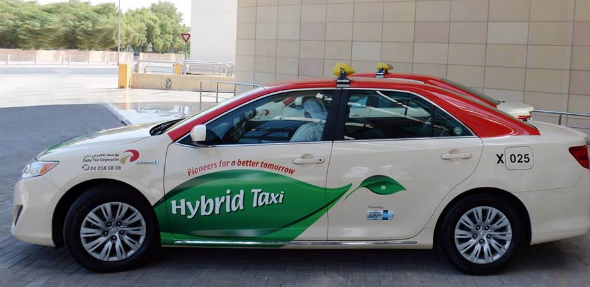
  2. Transportation: The country has introduced electric buses and taxis in several cities, including Dubai and Abu Dhabi. It has also set targets to increase the number of electric and hybrid vehicles on the roads.
  3. Waste management: Several initiatives have been implemented to reduce waste and promote recycling. For example, the “My City, My Environment” campaign encourages residents to adopt environmentally friendly practices, while the National Program for Sustainable Production and Consumption aims to reduce waste and promote sustainable consumption.
  4. Water conservation: The UAE has implemented several measures to conserve water, including the use of treated wastewater for irrigation and landscaping. It has also launched campaigns to raise awareness.
  5. Sustainable development: The country has launched several initiatives to promote sustainable development, including the Masdar City project in Abu Dhabi, which aims to be a model for sustainable urban development.

With these great initiatives and commitment – the UAE is in the right direction to achieving its sustainability goals.

About YES Full Circle
YES Full Circle is a full-service environmental service company, offering innovative and sustainable solutions. Our vision is to divert waste from the landfill and increase recycling to recreate useful products from the trash, hereby reducing the use of virgin products during the manufacturing process.

Get More Info : Dubai municipality approved

Websites : https://yesfullcircle.com/

Contact Us : Recycling Companies in Dubai

Thursday, May 4, 2023

Organic Waste Management | waste management company in Dubai

The organic waste stream includes green waste, food waste, food-soiled paper, non-hazardous wood waste, as well as landscaping and pruning waste.

Traditionally these materials are disposed into landfills where they decompose and produce greenhouse gases, resulting in global warming.

The same material, if processed properly, can be converted into compost, which is then used for agriculture and landscape, thereby preventing global warning and reducing the effect of climate change.


Here You can see useful links:-  waste management company in Dubai

Dubai municipality approved

Waste Management services in Dubai

Websites : https://yesfullcircle.com/

Contact Us : Recycling Companies in Dubai

Wednesday, April 26, 2023

How is Food Waste Recycled

Food waste is a significant problem in the UAE: the annual cost of food waste has been estimated at $3.5 billion, with around 38% of the food prepared daily in the UAE wasted.

The average UAE resident generates about 2.7 kilograms of waste every day, according to 2016. That’s more than double than someone in Europe – who produces just 1.2kg!

Not only does this come at a major economic and social cost, food waste decomposition in landfill leads to the release of greenhouse gasses like carbon dioxide (CO2) and methane. A major portion of these emissions comes directly from food waste rotting in landfill.

Why is it important to recycle food waste?

Food waste that is not recycled may be sent to landfill where it rots, causing a huge negative impact on the environment by releasing methane – a harmful greenhouse gas that is 25 times more potent than carbon dioxide.

Some local councils send their non-recyclable waste to be incinerated to create useful energy. However, food waste is composed of about 70% water, requiring considerably more energy to burn it, making this a less efficient method of disposal than recycling.

More and more people are recycling their food waste. If we all stopped wasting the food which could have been eaten, it would have the same CO2 impact as taking 1 in 4 cars off the roads.

How is food waste recycled?

Many local authorities now collect food waste, which can be recycled in several ways including:

In-vessel composting

This involves mixing food waste with garden waste – shredding it and then composting it in an enclosed system for around 2-4 weeks at temperatures of up to 70°C. This speeds up the composting process and ensures any harmful microbes are killed off. The material is then left outside to mature for a further 1-3 months with regular turning and quality checks before going on to be used as soil conditioner.

Anaerobic Digestion

This process uses microorganisms to break down food waste, animal manure, slurries and energy crops in the absence of oxygen, inside an enclosed system. As it breaks down it gives off methane, which is collected and converted into biogas and used to generate electricity, heat or transport fuels. It also creates a nutrient-rich digestate that can be used as a fertilizer for agriculture and in land regeneration.

Get More Info : food recycling in uae

Websites : https://yesfullcircle.com/

Contact Us : Recycling Companies in Dubai


Wednesday, April 12, 2023

Lifecycle of paper recycling – how is it recycled

Paper products are around us everyday and we may not think about what happens to it after it is tossed in the recycling bin.

Many of us start our days with paper — from reading the newspaper to the packaging of our favorite breakfast cereal to the milk carton we use along with it. If some of that milk spills, you can clean it right up with a paper towel.


The Upsides of Paper Recycling

In Abu Dhabi alone, 11.2 million tonnes of waste was produced by the emirate in 2019. This large amount of waste is due to a number of reasons, such as population growth, economic activities, and consumer shopping habits.

The environmental benefits of paper recycling cannot be understated. According to the Emirates Publishers Association (EPA), recycling just one ton of paper can save 380 gallons of oil, 7000 gallons of water, and enough energy to power the average home for up to six months.

Paper recycling also conserves our natural resources. Recycling one ton of paper can save 17 trees from being torn down. Paper recycling has excellent benefits for businesses as well. Diverting paper from the landfill can dramatically reduce business waste costs, especially if the business churns a lot of paper products. Companies with recycling initiatives can often receive tax credits and will have a better shot at engaging with eco-conscious consumers who only want to do business with sustainable organizations.

The Paper Recycling Process

Recycled paper’s life cycle executes up to 6-7 times till the cellulose fibers become incapable of forming sheets. Here are the types of paper products that are recyclable:

  • Copy paper
  • Envelopes
  • Newspapers
  • Phone books
  • Notebooks
  • Catalogs
  • Magazines
  • Receipts

Paper shredders are good for concealing personal information from any prying eyes, but they make recycling more difficult. The small strips of shredded paper can easily become caught in the complex machinery of the recycling facility, damaging the machines or slowing down the entire process because the machines had to stop to rectify the stuck scraps. It is uncommon for curbside recycling services to accept shredded paper, but some do, so be sure to check with your local facility before leaving any out.

Get More Info : Recycling Companies in Dubai
Websites : https://yesfullcircle.com/

Contact Us : Recycling Services in Dubai

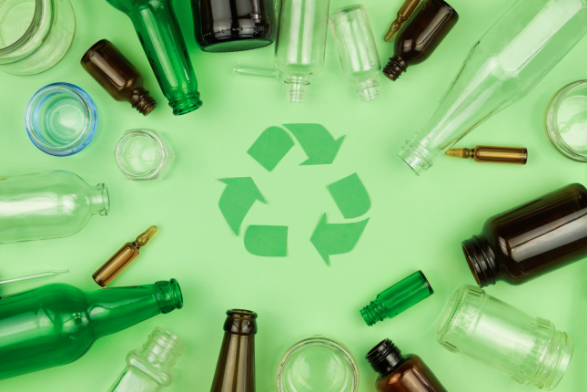
GLASS – Possible to recycle Infinitely| Innovative Circular Economy Solutions in Dubai

  Glass is a non-crystalline, often transparent, amorphous solid that has widespread practical, technological, and decorative application. G...