Wednesday, April 26, 2023

How is Food Waste Recycled

Food waste is a significant problem in the UAE: the annual cost of food waste has been estimated at $3.5 billion, with around 38% of the food prepared daily in the UAE wasted.

The average UAE resident generates about 2.7 kilograms of waste every day, according to 2016. That’s more than double than someone in Europe – who produces just 1.2kg!

Not only does this come at a major economic and social cost, food waste decomposition in landfill leads to the release of greenhouse gasses like carbon dioxide (CO2) and methane. A major portion of these emissions comes directly from food waste rotting in landfill.

Why is it important to recycle food waste?

Food waste that is not recycled may be sent to landfill where it rots, causing a huge negative impact on the environment by releasing methane – a harmful greenhouse gas that is 25 times more potent than carbon dioxide.

Some local councils send their non-recyclable waste to be incinerated to create useful energy. However, food waste is composed of about 70% water, requiring considerably more energy to burn it, making this a less efficient method of disposal than recycling.

More and more people are recycling their food waste. If we all stopped wasting the food which could have been eaten, it would have the same CO2 impact as taking 1 in 4 cars off the roads.

How is food waste recycled?

Many local authorities now collect food waste, which can be recycled in several ways including:

In-vessel composting

This involves mixing food waste with garden waste – shredding it and then composting it in an enclosed system for around 2-4 weeks at temperatures of up to 70°C. This speeds up the composting process and ensures any harmful microbes are killed off. The material is then left outside to mature for a further 1-3 months with regular turning and quality checks before going on to be used as soil conditioner.

Anaerobic Digestion

This process uses microorganisms to break down food waste, animal manure, slurries and energy crops in the absence of oxygen, inside an enclosed system. As it breaks down it gives off methane, which is collected and converted into biogas and used to generate electricity, heat or transport fuels. It also creates a nutrient-rich digestate that can be used as a fertilizer for agriculture and in land regeneration.

Get More Info : food recycling in uae

Websites : https://yesfullcircle.com/

Contact Us : Recycling Companies in Dubai


Wednesday, April 12, 2023

Lifecycle of paper recycling – how is it recycled

Paper products are around us everyday and we may not think about what happens to it after it is tossed in the recycling bin.

Many of us start our days with paper — from reading the newspaper to the packaging of our favorite breakfast cereal to the milk carton we use along with it. If some of that milk spills, you can clean it right up with a paper towel.


The Upsides of Paper Recycling

In Abu Dhabi alone, 11.2 million tonnes of waste was produced by the emirate in 2019. This large amount of waste is due to a number of reasons, such as population growth, economic activities, and consumer shopping habits.

The environmental benefits of paper recycling cannot be understated. According to the Emirates Publishers Association (EPA), recycling just one ton of paper can save 380 gallons of oil, 7000 gallons of water, and enough energy to power the average home for up to six months.

Paper recycling also conserves our natural resources. Recycling one ton of paper can save 17 trees from being torn down. Paper recycling has excellent benefits for businesses as well. Diverting paper from the landfill can dramatically reduce business waste costs, especially if the business churns a lot of paper products. Companies with recycling initiatives can often receive tax credits and will have a better shot at engaging with eco-conscious consumers who only want to do business with sustainable organizations.

The Paper Recycling Process

Recycled paper’s life cycle executes up to 6-7 times till the cellulose fibers become incapable of forming sheets. Here are the types of paper products that are recyclable:

  • Copy paper
  • Envelopes
  • Newspapers
  • Phone books
  • Notebooks
  • Catalogs
  • Magazines
  • Receipts

Paper shredders are good for concealing personal information from any prying eyes, but they make recycling more difficult. The small strips of shredded paper can easily become caught in the complex machinery of the recycling facility, damaging the machines or slowing down the entire process because the machines had to stop to rectify the stuck scraps. It is uncommon for curbside recycling services to accept shredded paper, but some do, so be sure to check with your local facility before leaving any out.

Get More Info : Recycling Companies in Dubai

Websites : https://yesfullcircle.com/

Contact Us : Recycling Services in Dubai

Wednesday, March 29, 2023

Brand Protection Simpler | Waste Management services in Dubai

Everyone knows the importance of a good brand image. To put it simply, if the company has a good brand image, customers will feel comfortable about doing business with that company resulting in more cash flow and better equity. The better the brand image is, the more chances people are going to view it as the preferred company to interact with. A positive image gives the customers the belief that the company is trustworthy and they can count on it in the future as well. If done well enough, the company might even have a surge of influencers and advocates. Look at Pinterest for example, the company has such a strong brand image that it basically recycles user made content to market itself.

Only a handful of companies can claim to have that perfect positive image. We know that if there was a listing, the companies with negative brand perceptions would outweigh those with positive brand perceptions by a landslide. You might have heard the quote, “It takes only a second to turn a positive image into a negative one but a lifetime to turn it around”. This is entirely true. If a customer decides to eat at a restaurant and loves the food so much that he tries it for the next 12 weeks with the same outcome, we can say that he had a positive image of the brand. But what if on the 13th visit, he got served distasteful food? This would lead to a negative image and chances are, he would never eat there again. That is how powerful human perception can be.

Get More Info : Dubai waste management

Websites : https://yesfullcircle.com/

Contact Us : Recycling Companies in Dubai

Tuesday, March 14, 2023

Supporting the Ocean Story to Create a Global Impact

 The Ocean Story

While our ocean makes up over two thirds of our planet's surface, it largely remains ‘out of sight and out of mind’ in mainstream media and even at high-level UN negotiations. 2021 marked the start of the UN Ocean Decade - a pivotal 10 years for the future of our ocean.

We urgently need to inspire support and much-needed action to save our oceans. This is our last chance; if we don't act now many species will vanish. As an experienced underwater diver and photographer, Vincent Kneefel has initiated The Ocean Story to capture the beauty and tell the stories of 9 endangered marine species linked to 3 mega- threats (Overfishing, Ocean Warming, and Plastic Pollution) in a unique way.

Get More Info : Waste Management services in Dubai

Websites : https://yesfullcircle.com/

Contact Us : Recycling Companies in Dubai
Monday, March 6, 2023

GLASS – Possible to recycle Infinitely

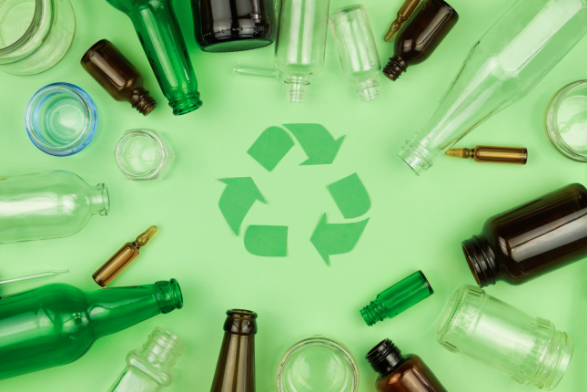
Glass is a non-crystalline, often transparent, amorphous solid that has widespread practical, technological, and decorative application.


Glass is a material that can be recycled indefinitely without losing any quality. It can be melted down and transformed into a variety of products, from glass fibre to drinking glasses. Glass is taken to a manufacturing or recycling plant, where it is broken down into smaller pieces called cullet which can be re-manufactured to new recycled glass products.

Benefits of Recycling Glass

  • Glass produced from recycled glass reduces related air pollution by 20% and related water pollution by 50%.
  • Recycling glass reduces the space in landfills that would otherwise be taken up by used bottles and jars.

How does Glass Recycling protect the Environment?

It may take up to a million years for a glass product to decompose after being disposed of in a landfill.

Glass products and materials are 100% recyclable and can be recycled endlessly without losing their purity or quality. Every ton of glass that is recycled saves more than a ton of the raw materials needed to create new glass, which only necessitates the extraction of less natural resources like sand, limestone, and soda ash from the environment. Glass scraps are crushed into cullet, which can be melted down and utilized to create new glass items, promoting the circular economy.

Get More Info : Glass Recycling Solution in Dubai

Websites : https://yesfullcircle.com/

Contact Us : Recycling Companies in Dubai

Thursday, February 23, 2023

Organic Waste Management | waste management company in Dubai

The organic waste stream includes green waste, food waste, food-soiled paper, non-hazardous wood waste, as well as landscaping and pruning waste.

Traditionally these materials are disposed into landfills where they decompose and produce greenhouse gases, resulting in global warming.

The same material, if processed properly, can be converted into compost, which is then used for agriculture and landscape, thereby preventing global warning and reducing the effect of climate change.


Get More Info : Dubai Municipality Approved recyclers

Websites : https://yesfullcircle.com/

Contact Us : Recycling Companies in Dubai

Thursday, February 9, 2023

How are textiles/fabrics recycled?

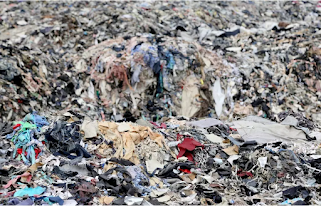
Textile/fabric recycling is the reprocessing of the non-usable fabric to a usable form. Overall fabric waste has risen sharply due to the expansion of the clothing and textile industries as well as the fast fashion trend among consumers. Globally, the fashion industry pumps out 100 billion garments annually.

Yet only 12% of used textiles or clothes are mechanically recycled (cutting or shredding into fibers), and less than 1% is chemically recycled back to reusable raw materials. 87% of unwanted clothes are thrown and sent to landfills

Why should we recycle textile/fabrics?

Natural fibers might take several weeks to several years to degrade in landfills. Most of the clothing made of synthetic fibers, comprises of plastic which might take years, or may never totally decompose. These will also emit CO2 and methane gas into the atmosphere when left in landfills and eventually be the cause of environmental deterioration.

Types of Textiles waste that can be recycled:

  • Pre-Consumer textile waste and post-consumer textile waste
  • Pre-Consumer Textile Waste: By-products of yarn and fabric manufacture
  • Post-Consumer Textile Waste: Includes garments, vehicle upholstery, carpets, towels, bedding, purses and more

Benefits of textile/fabrics recycling

Recycling of textile/fabrics waste will recover the re-usable raw materials that can be used as raw materials for creating new clothes and thereby promoting a circular economy.

The recycling strategies of upcycling and closed-loop recycling can best conserve resources including raw materials, water and energy while having a minimal negative impact on the environment.

Recycling clothes reduces the factors that contribute to climate change because when they are disposed of in landfills, they produce greenhouse gasses.

Therefore, recycle your old clothes and give them a second chance. This way we are all doing our bit in supporting a circular economy.

Get More Info : Waste Management services in Dubai

Websites : https://yesfullcircle.com/

Contact Us : Recycling Companies in Dubai


GLASS – Possible to recycle Infinitely| Innovative Circular Economy Solutions in Dubai

  Glass is a non-crystalline, often transparent, amorphous solid that has widespread practical, technological, and decorative application. G...